
Blog, Destiny Reading Guide, Five Elements Guide
Bazi and the Five Elements: How Traditional Symbolism Is Used in Personal Readings
Bazi and the Five Elements: How Traditional Symbolism Is Used in Personal Readings
1. What Are Bazi and the Five Elements?
Bazi is a traditional Chinese system of destiny interpretation based on a person’s birth year, month, day, and hour. These four units of birth information are called the Four Pillars of Destiny. Each pillar contains a Heavenly Stem and an Earthly Branch, which together form eight characters. That is why the system is called Bazi, meaning “eight characters.” The Five Elements are Wood, Fire, Earth, Metal, and Water. In Chinese culture, these elements are not only physical substances. They are symbolic categories that describe movement, qualities, relationships, cycles, seasons, colors, and patterns of transformation. They are used in many traditional systems, including Bazi reading, Chinese medicine theory, feng shui, calendar studies, martial arts, music, food culture, and symbolic design. In Bazi, the Five Elements help explain how different parts of a chart interact. Every Heavenly Stem belongs to one of the Five Elements and has either a Yin or Yang quality. Every Earthly Branch also contains one or more hidden elements. When a reader studies a Bazi chart, they look at how much Wood, Fire, Earth, Metal, and Water appear, where they appear, how strong they are, and how they relate to the Day Master. The Day Master is the Heavenly Stem of the Day Pillar. It represents the self in Bazi interpretation. The rest of the chart is read in relation to the Day Master. For example, if the Day Master is Wood, then Fire, Earth, Metal, and Water may represent different categories of influence. If the Day Master is Metal, the relationship between elements will be interpreted differently. This is why two people can have the same visible element but different readings. A Bazi Five Elements reading is not simply a list of “you have too much Fire” or “you need more Water.” A responsible reading looks at the full chart context. It considers birth season, chart structure, element strength, Yin-Yang balance, hidden stems, combinations, clashes, timing cycles, and the client’s real-life questions. This makes Bazi more complex than basic zodiac descriptions. For beginners, the easiest way to understand Bazi and the Five Elements is to see them as a symbolic map. Wood, Fire, Earth, Metal, and Water describe different patterns in a person’s chart. These patterns may reflect tendencies in personality, motivation, communication, work style, emotional rhythm, decision-making, and personal development. The reading does not remove free will. It provides a language for reflection.2. Why the Five Elements Matter in Bazi Reading
The Five Elements matter because they form the foundation of Bazi interpretation. Without understanding Wood, Fire, Earth, Metal, and Water, it is difficult to understand how a Bazi chart is read. The elements show what kinds of qualities are active in a chart, how they support or challenge each other, and what themes may become important during different life periods. Each element has a symbolic character. Wood grows, expands, plans, and adapts. Fire shines, expresses, warms, and transforms. Earth holds, stabilizes, nourishes, and supports. Metal cuts, refines, organizes, and defines. Water flows, stores, reflects, and adapts. These images are symbolic, but they help readers explain human patterns in a way that is easier to understand. In a personal reading, the Five Elements may be used to discuss strengths and imbalances. A chart with strong Wood symbolism may show growth, learning, planning, or idealism. A chart with strong Fire symbolism may show expression, visibility, enthusiasm, or emotional intensity. A chart with strong Earth symbolism may show stability, responsibility, practicality, or concern with security. A chart with strong Metal symbolism may show discipline, clarity, order, or critical thinking. A chart with strong Water symbolism may show wisdom, adaptability, communication, or inner reflection. However, no element is automatically good or bad. A strong element can become useful when balanced and problematic when excessive. A weak element can represent an area that needs awareness or support. A missing element does not mean someone lacks that quality completely. It means that the chart may express that quality differently or that the theme may appear through timing cycles, environment, relationships, or conscious development. Bazi readings use the Five Elements to understand relationships between parts of the chart. For example, Water nourishes Wood, Wood feeds Fire, Fire produces Earth, Earth produces Metal, and Metal enriches Water. These generating relationships can show support, flow, and development. The controlling relationships—Wood controls Earth, Earth controls Water, Water controls Fire, Fire controls Metal, and Metal controls Wood—can show pressure, discipline, correction, or challenge. The Five Elements also matter because they connect Bazi readings with practical symbolism. A person may use element themes to reflect on daily habits, work style, emotional balance, personal routines, color preference, symbolic jewelry, or meaningful gifts. For example, a person interested in Metal symbolism may choose clear quartz or white-toned designs as reminders of clarity and structure. A person drawn to Water symbolism may choose black obsidian or dark blue accessories as reminders of reflection and adaptability. This does not mean products can “fix” a chart or guarantee destiny changes. Symbolic products should be presented as personal reminders and cultural accessories. If you want to explore product symbolism, you can read our Five Elements bracelet guide or browse our Five Elements bracelet collection.3. How the Five Elements Appear in the Four Pillars
A Bazi chart has four pillars: Year, Month, Day, and Hour. Each pillar contains one Heavenly Stem and one Earthly Branch. The Heavenly Stem shows a visible element, while the Earthly Branch contains deeper symbolic information, including hidden elements. This means that a Bazi chart is more layered than it appears at first glance. The Year Pillar may reflect family background, social environment, early influence, ancestry, and public-facing themes. The Month Pillar is especially important because it reflects the season of birth, which affects element strength. The Day Pillar contains the Day Master and is central to self-understanding. The Hour Pillar may relate to later life, dreams, private aspirations, children, hidden potential, and long-term direction. The Month Pillar is often considered one of the most important parts of element analysis because season changes the strength of elements. Wood is generally associated with spring, Fire with summer, Metal with autumn, and Water with winter. Earth is often associated with transitional periods and stabilizing influence. A Wood Day Master born in spring may have a very different chart condition from a Wood Day Master born in autumn or winter. The Earthly Branches add depth because each branch may contain hidden elements. For example, a branch that looks simple on the surface may contain one dominant element and one or more secondary elements. These hidden elements can influence personality patterns, relationship themes, and timing events. A skilled reader does not only count visible elements; they also examine hidden support and hidden pressure. In beginner-level interpretations, people may try to count how many times each element appears in their chart. While this can be a starting point, it is not enough for full analysis. A chart with three Fire appearances is not automatically “too much Fire.” The reader must ask: Is Fire in season? Does Fire support the Day Master? Is Fire visible or hidden? Is Fire controlled, supported, combined, or weakened by other elements? What role does Fire play in relation to the Day Master? This is why personalized reading matters. Two people may both have a lot of Water in their charts, but for one person Water may represent support, while for another it may represent pressure, output, wealth-related themes, or authority-related themes depending on the Day Master. The same element can have different functions in different charts. A Bazi Five Elements reading therefore requires both structure and interpretation. The chart provides the structure, but the reader explains how the elements interact and what those interactions may mean for self-reflection.4. The Day Master and Element Relationships
The Day Master is the central reference point in Bazi reading. It is the Heavenly Stem of the Day Pillar and represents the self. Once the Day Master is identified, all other elements in the chart are interpreted in relation to it. This is where the Five Elements become deeply personal. For example, suppose the Day Master is Wood. Water supports Wood because Water nourishes Wood. Fire is produced by Wood because Wood feeds Fire. Earth is controlled by Wood because roots penetrate and structure the earth. Metal controls Wood because metal tools can cut wood. Other Wood elements represent peers or similar energy. If the Day Master is Fire, the entire relationship pattern changes. Wood supports Fire, Earth is produced by Fire, Metal is controlled by Fire, Water controls Fire, and Fire represents peers. These relationships are sometimes connected with categories in Bazi interpretation, such as resource, output, wealth, authority, and companion themes. The exact meaning depends on the Day Master and the system used by the reader. For beginners, the important idea is that elements do not have fixed meanings in isolation. Their meaning depends on how they relate to the self. This relational logic is what makes Bazi different from simple element personality tests. A person is not only “a Fire person” or “a Water person.” The chart may have a Fire Day Master, but Water may be strong, Metal may be visible, Earth may be hidden, and Wood may arrive through timing cycles. Each part adds a layer of interpretation. The Day Master can also be described through Yin and Yang. Yang Wood may symbolize a tall tree: upright, structured, and growth-oriented. Yin Wood may symbolize vines, flowers, or flexible plants: adaptive, delicate, and responsive. Yang Fire may symbolize the sun: bright and visible. Yin Fire may symbolize candlelight: focused and refined. These images help make the reading more intuitive. However, symbolic descriptions should not become rigid labels. A Yang Wood Day Master does not mean a person must behave like a tree in every situation. A Yin Fire Day Master does not mean a person is always gentle or quiet. Bazi symbols are interpretive tools. They help organize reflection but should not replace real knowledge of a person’s experience, choices, and environment. In a responsible consultation, the reader may explain the Day Master, its strength, its relationship with surrounding elements, and what themes may be useful for reflection. This can help the client understand work style, emotional needs, decision-making patterns, and personal growth directions without feeling trapped by the chart.5. Wood, Fire, Earth, Metal, and Water Meanings
Each of the Five Elements has a symbolic meaning in Bazi reading. These meanings are not rigid predictions. They are interpretive themes that help describe patterns. The same element can appear positively, negatively, strongly, weakly, visibly, or subtly depending on chart context.| Element | Core Symbolism | Possible Strengths | Possible Challenges When Imbalanced |
|---|---|---|---|
| Wood | Growth, planning, flexibility, renewal | Creativity, learning, idealism, vision, development | Over-expansion, impatience, stubborn growth, lack of structure |
| Fire | Expression, warmth, visibility, transformation | Enthusiasm, communication, inspiration, confidence, openness | Impulsiveness, emotional intensity, burnout, overexposure |
| Earth | Stability, support, nourishment, grounding | Reliability, patience, practicality, responsibility, care | Stagnation, worry, over-responsibility, resistance to change |
| Metal | Clarity, order, refinement, discipline | Decision-making, structure, precision, standards, boundaries | Rigidity, criticism, emotional distance, excessive control |
| Water | Depth, wisdom, flow, adaptability | Reflection, learning, communication, intuition, flexibility | Overthinking, uncertainty, avoidance, emotional heaviness |
Wood in Bazi Reading
Wood represents growth, expansion, creativity, planning, flexibility, and life force. In a personal reading, Wood may relate to learning, development, ambition, kindness, idealism, or the desire to move forward. A healthy Wood pattern can suggest growth with direction. An imbalanced Wood pattern may suggest overextension, pressure to grow too quickly, or difficulty with boundaries.Fire in Bazi Reading
Fire represents warmth, visibility, expression, passion, transformation, and social presence. In a reading, Fire may relate to communication, creativity, performance, confidence, joy, inspiration, and emotional brightness. When balanced, Fire can bring enthusiasm and clarity. When excessive, it may suggest impatience, emotional intensity, or burnout.Earth in Bazi Reading
Earth represents stability, support, nourishment, responsibility, practicality, and grounding. In a personal reading, Earth may relate to family, caregiving, structure, security, real estate, management, patience, and trust. Balanced Earth can be reliable and steady. Excessive or stagnant Earth may suggest worry, heaviness, or difficulty adapting.Metal in Bazi Reading
Metal represents clarity, refinement, discipline, justice, standards, decision-making, and boundaries. In a reading, Metal may relate to rules, organization, analysis, aesthetics, authority, precision, or personal standards. Balanced Metal can bring structure and good judgment. Imbalanced Metal may become overly critical, rigid, or emotionally distant.Water in Bazi Reading
Water represents depth, wisdom, adaptability, reflection, communication, and hidden movement. In a reading, Water may relate to learning, travel, research, emotional depth, strategy, intuition, or flexibility. Balanced Water can be wise and adaptive. Excessive Water may suggest overthinking, uncertainty, avoidance, or emotional heaviness. These meanings become more accurate only when read in context. A professional Bazi reading does not simply say “you have Water, so you are emotional” or “you have Metal, so you are strict.” It studies the full chart and explains how elements interact with the Day Master and life questions.6. The Generating Cycle in Bazi
The generating cycle is one of the most important Five Elements relationships. It shows how one element supports or produces another. In traditional symbolism, Wood feeds Fire, Fire creates Earth, Earth produces Metal, Metal enriches Water, and Water nourishes Wood. This cycle represents support, development, flow, and continuity.| Generating Relationship | Symbolic Meaning | Reflection in Personal Reading |
|---|---|---|
| Wood generates Fire | Growth becomes expression | Ideas, learning, or planning may lead to visibility and communication. |
| Fire generates Earth | Expression creates foundation | Action and visibility may lead to results, responsibility, or stability. |
| Earth generates Metal | Stability produces structure | Practical effort may lead to order, standards, and refinement. |
| Metal generates Water | Structure supports wisdom | Discipline and clarity may lead to deeper thinking and adaptability. |
| Water generates Wood | Reflection nourishes growth | Learning and reflection may support creativity, planning, and renewal. |
7. The Controlling Cycle in Bazi
The controlling cycle is another key Five Elements relationship. It shows how one element regulates, limits, or disciplines another. Wood controls Earth, Earth controls Water, Water controls Fire, Fire controls Metal, and Metal controls Wood. This cycle does not always mean conflict. It can also represent structure, balance, responsibility, and correction.| Controlling Relationship | Symbolic Meaning | Reflection in Personal Reading |
|---|---|---|
| Wood controls Earth | Growth shapes stability | Planning or vision may influence practical matters and responsibilities. |
| Earth controls Water | Structure channels flow | Responsibility may contain emotion, movement, or uncertainty. |
| Water controls Fire | Reflection cools intensity | Wisdom may regulate emotion, visibility, and impulsive action. |
| Fire controls Metal | Warmth transforms structure | Expression may soften rigidity or challenge strict standards. |
| Metal controls Wood | Structure shapes growth | Discipline may guide ambition, creativity, or expansion. |
8. What Element Balance Means in a Bazi Chart
Element balance is one of the most misunderstood topics in Bazi reading. Many beginners assume that a good chart must contain equal amounts of Wood, Fire, Earth, Metal, and Water. In reality, Bazi balance does not always mean equal quantity. It means appropriate relationship, function, timing, and support within the chart. A chart can have all five elements and still be imbalanced if one element is too strong, too weak, poorly placed, or unsupported by season. Another chart may appear to lack one element but still function well because the existing elements form a clear structure. This is why simple element counting can be misleading. Seasonal strength matters greatly. An element born in its favorable season may be naturally strong. For example, Fire born in summer may be more active, while Water born in winter may be stronger. A reader must consider the month of birth before judging whether an element is strong or weak. Placement also matters. An element visible in the Heavenly Stem may show itself more clearly in personality or life expression. An element hidden inside an Earthly Branch may represent deeper, private, or less obvious influence. An element that appears in a timing cycle may become more active during certain periods. Balance also depends on the Day Master. If the Day Master is weak, supportive elements may be useful. If the Day Master is overly strong, elements that regulate, express, or redirect it may be useful. The same element can be helpful in one chart and challenging in another. In a personal reading, element balance may be translated into practical reflection. A person with strong Wood and weak Metal may reflect on the need for structure, boundaries, and prioritization. A person with strong Water and weak Fire may reflect on visibility, confidence, and action. A person with strong Earth and weak Wood may reflect on movement, flexibility, and new growth. These reflections should be presented gently. A Bazi reading should not make a person feel defective. Every chart has strengths and challenges. The purpose of element analysis is not to judge, but to understand patterns and support more conscious choices.9. Helpful Elements and Personal Reflection
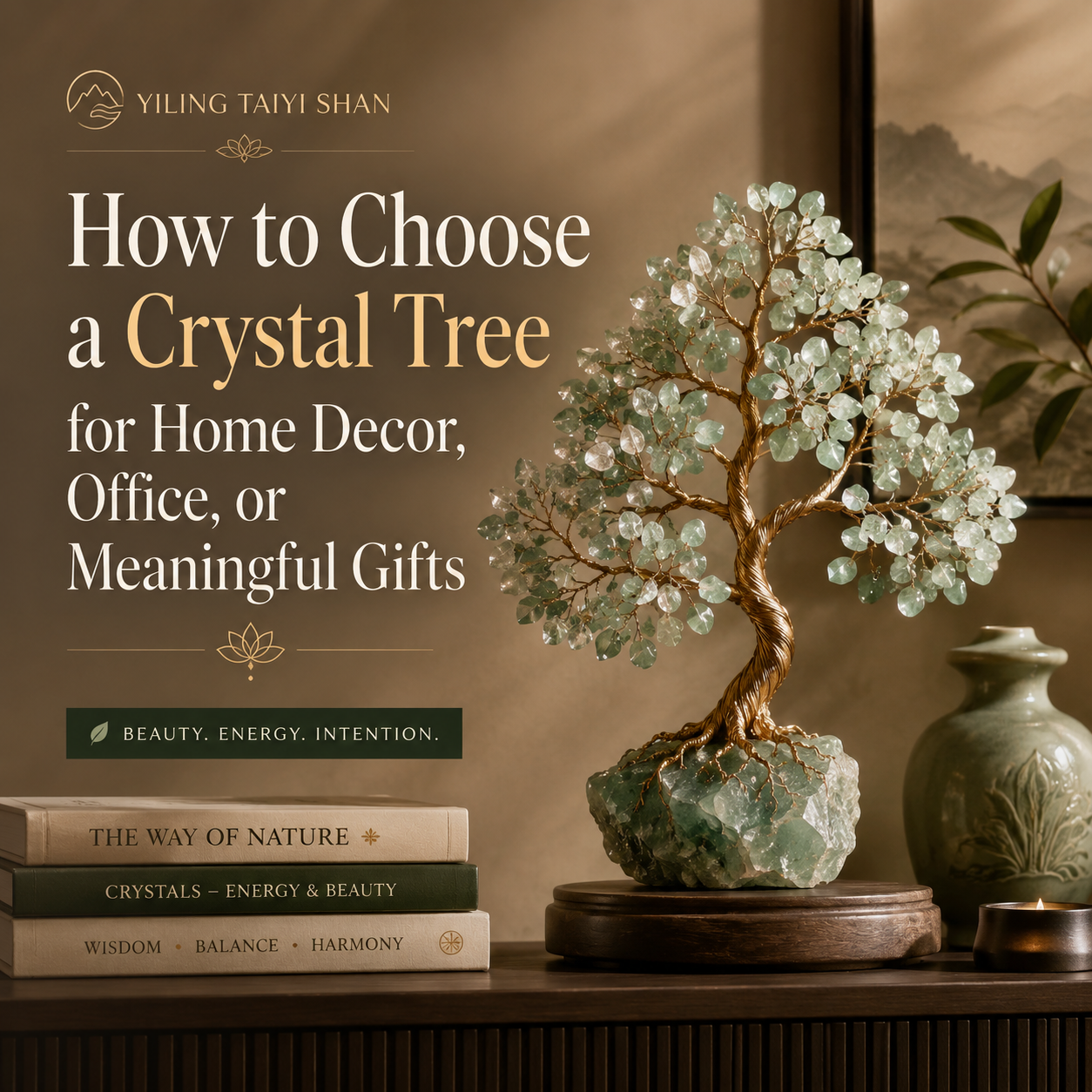
In Bazi reading, people often ask about “helpful elements.” A helpful element is an element that may support balance, improve the chart’s function, or provide a useful symbolic direction. However, this concept must be handled carefully. Helpful elements are not magic fixes, and they should not be used to pressure customers into buying products. A reader may identify helpful elements by analyzing the Day Master, seasonal strength, chart structure, element relationships, and timing cycles. For example, if a chart needs more structure and clarity, Metal symbolism may be discussed. If a chart needs more movement and renewal, Wood symbolism may be discussed. If a chart needs grounding and practical support, Earth symbolism may be discussed. Helpful elements can be used for reflection in several ways. A person may reflect on habits connected with that element. Metal may inspire clearer boundaries, better organization, and refined decision-making. Water may inspire learning, rest, communication, and deeper reflection. Wood may inspire growth, planning, flexibility, and personal development. Fire may inspire expression, warmth, confidence, and visibility. Earth may inspire routine, responsibility, nourishment, and stability. Helpful elements can also inspire symbolic choices. A person may choose colors, accessories, crystals, incense beads, or home decor that remind them of a desired quality. For example, someone drawn to Metal symbolism may choose a clear quartz bracelet or crystal ball. Someone drawn to Wood symbolism may choose a green crystal bracelet or crystal tree. Someone drawn to Water symbolism may choose black obsidian or deep blue tones. The key is to present these choices as symbolic support. A bracelet cannot guarantee destiny changes. A crystal tree cannot force success. An incense bead bracelet cannot cure emotional distress. These products can serve as meaningful reminders and cultural accessories. They can help someone stay connected to a theme discussed in a reading, but they do not replace action, professional advice, or personal responsibility. This distinction is important for customer trust. Ethical Bazi and Five Elements services should avoid fear-based language such as “You must buy this item or your luck will suffer.” A better approach is: “Based on your reading, you may feel connected to Metal-inspired clarity products or Water-inspired reflection products as symbolic reminders.” If you want a personalized interpretation, visit our Destiny Consultation page to learn how a Bazi reading can explain element patterns in a respectful and reflective way.10. Five Elements in Career Reflection
Many people request a Bazi reading because they want career insight. The Five Elements can be used to discuss work style, motivation, strengths, communication patterns, pressure response, and suitable environments. A responsible career reading does not tell someone exactly what job they must take. Instead, it helps them reflect on how they naturally work and what conditions may support better decisions. Wood-related career themes may include growth, planning, education, design, writing, consulting, development, creativity, and long-term vision. A person with strong Wood symbolism may enjoy building ideas, guiding others, learning new systems, or developing something over time. If Wood is imbalanced, they may need more structure, prioritization, or realistic planning. Fire-related career themes may include communication, marketing, media, performance, teaching, public presence, hospitality, entertainment, branding, and leadership visibility. A person with strong Fire symbolism may enjoy being seen, sharing ideas, inspiring others, or creating emotional connection. If Fire is imbalanced, they may need pacing, reflection, or emotional regulation. Earth-related career themes may include management, operations, real estate, caregiving, administration, finance support, logistics, agriculture, food, and service stability. A person with strong Earth symbolism may be reliable, practical, and responsible. If Earth is imbalanced, they may need more flexibility, movement, or willingness to change. Metal-related career themes may include law, compliance, finance, engineering, design precision, quality control, management systems, analytics, beauty standards, and structured decision-making. A person with strong Metal symbolism may value clarity, rules, standards, and efficiency. If Metal is imbalanced, they may need softness, collaboration, or emotional flexibility. Water-related career themes may include research, communication, travel, consulting, education, strategy, writing, psychology-related fields, technology, trade, and information flow. A person with strong Water symbolism may be adaptive, thoughtful, and curious. If Water is imbalanced, they may need grounding, action, or clearer direction. A Bazi career reading should always be practical and ethical. It should not replace professional career counseling, education, training, market research, or personal effort. It can help someone ask better questions: What kind of work rhythm suits me? Do I need more structure or flexibility? Do I thrive in public-facing roles or private analysis? Do I need more stability or more movement? These questions can be valuable because they translate traditional symbolism into self-awareness. That is the strongest use of Bazi in modern career reflection.11. Five Elements in Relationship Reflection
Bazi and the Five Elements can also be used for relationship reflection. This may include romantic relationships, family relationships, friendships, work partnerships, and communication patterns. A responsible relationship reading does not declare that two people are guaranteed to succeed or fail. It helps clients understand tendencies, emotional needs, compatibility themes, and areas for conscious communication. Wood symbolism in relationships may relate to growth, encouragement, idealism, planning, and shared development. A person with strong Wood themes may value progress, learning, and future direction. In imbalance, Wood may become impatient or overly idealistic. Fire symbolism may relate to warmth, affection, expression, passion, and emotional visibility. A person with strong Fire themes may need communication, appreciation, and lively connection. In imbalance, Fire may become dramatic, reactive, or easily burned out. Earth symbolism may relate to support, reliability, care, commitment, and practical presence. A person with strong Earth themes may show love through responsibility and consistency. In imbalance, Earth may become overprotective, worried, or resistant to change. Metal symbolism may relate to boundaries, loyalty, standards, honesty, and structure. A person with strong Metal themes may value respect, clarity, and reliability. In imbalance, Metal may become critical, distant, or overly controlled. Water symbolism may relate to emotional depth, communication flow, adaptability, and private reflection. A person with strong Water themes may need space, understanding, and intellectual or emotional connection. In imbalance, Water may become avoidant, unclear, or overly internal. In compatibility readings, a reader may compare two charts and discuss how their elements interact. One person’s element may support, challenge, or regulate another person’s pattern. This can be useful for understanding communication styles. However, compatibility should never be used to control another person or make absolute judgments about a relationship. A healthy Bazi relationship reading should encourage maturity, communication, and personal responsibility. It may help a client understand why certain patterns repeat, but it should not tell them to ignore real-world behavior. Trust, respect, safety, communication, and shared values matter more than any symbolic chart.12. Five Elements and Timing Cycles
Bazi reading also includes timing cycles. These may include Luck Pillars, annual influences, monthly influences, and other time-based patterns. Timing cycles introduce new elements into a person’s chart during specific periods. A reader may study how these incoming elements interact with the original birth chart. For example, a period with strong Wood may highlight growth, planning, education, or expansion themes. A Fire period may highlight visibility, communication, passion, or public presence. An Earth period may highlight responsibility, stability, family, property, or practical concerns. A Metal period may highlight structure, discipline, rules, decision-making, or authority. A Water period may highlight learning, movement, reflection, travel, or emotional depth. Timing interpretation can be helpful when used responsibly. It may help someone understand why certain themes feel more active during a period. It may support planning, reflection, and self-awareness. However, it should not be used as a fear-based prediction or as the only basis for important decisions. A responsible reader may say, “This period may emphasize career responsibility,” or “This year may bring more reflection and learning themes,” rather than saying, “This exact event will definitely happen.” This distinction protects the client’s autonomy and keeps the reading grounded. Timing cycles can also be connected with personal habits. During a Fire-heavy period, someone may need better pacing and rest. During an Earth-heavy period, someone may need movement and flexibility. During a Water-heavy period, someone may need grounding and decision-making. These suggestions should be framed as reflective practices, not prescriptions. Symbolic products may also be selected based on timing themes. A person entering a period that emphasizes clarity may choose Metal-inspired clear quartz. A person entering a growth-oriented period may choose Wood-inspired green designs. A person entering a reflective period may choose Water-inspired dark stones. Again, these products are reminders, not guaranteed remedies.13. Bazi, Five Elements, and Symbolic Product Selection
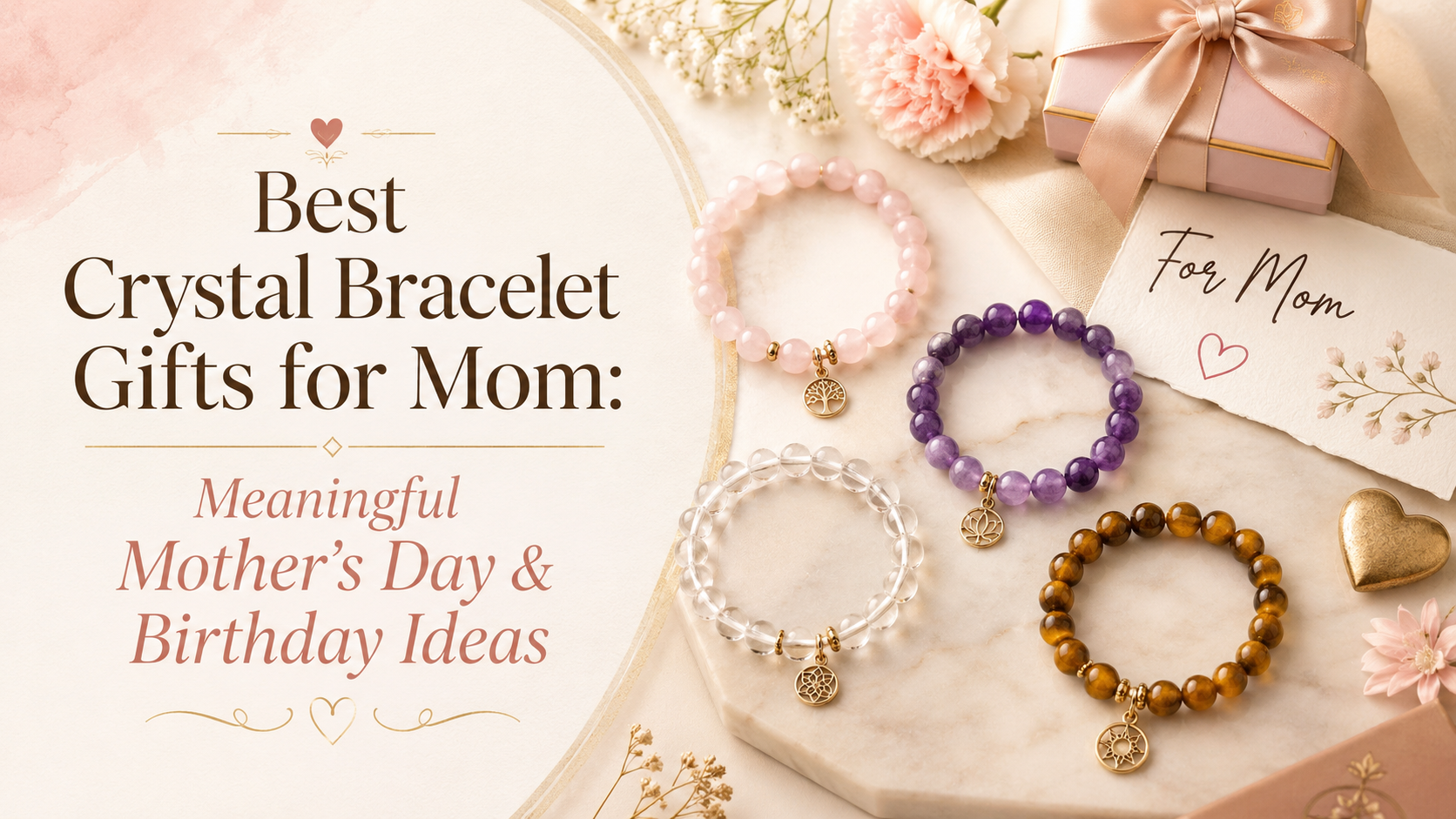
One of the most practical ways to connect Bazi with daily life is through symbolic product selection. After a Bazi reading, some customers want to choose a bracelet, crystal, incense bead, crystal tree, or crystal ball that reflects the element themes discussed in their reading. This can be meaningful when presented responsibly. For example, someone who resonates with Wood symbolism may choose green crystal bracelets, green crystal trees, or natural-style accessories. Someone drawn to Fire symbolism may choose red, purple, or warm-toned products. Someone who values Earth symbolism may choose citrine, tiger eye, yellow tones, or grounding decor. Someone connected with Metal symbolism may choose clear quartz, white crystal, silver accents, or minimalist designs. Someone drawn to Water symbolism may choose black obsidian, dark blue stones, or smoky crystal decor.| Element | Symbolic Theme | Color Direction | Product Ideas |
|---|---|---|---|
| Wood | Growth, renewal, flexibility | Green, natural tones | Green crystal bracelets, green crystal trees, herbal incense bead designs |
| Fire | Expression, warmth, confidence | Red, purple, orange, bright tones | Amethyst bracelets, red agate designs, warm incense beads |
| Earth | Stability, support, grounding | Yellow, brown, beige, honey tones | Citrine, tiger eye, smoky quartz, earth-tone crystal trees |
| Metal | Clarity, refinement, structure | White, clear, silver, gold | Clear quartz bracelets, clear crystal balls, white crystal accessories |
| Water | Depth, reflection, adaptability | Black, deep blue, dark gray | Black obsidian bracelets, dark gemstone spheres, Water-inspired accessories |
.jpg)